My fellow Americans in Puerto Rico

A humanitarian crisis
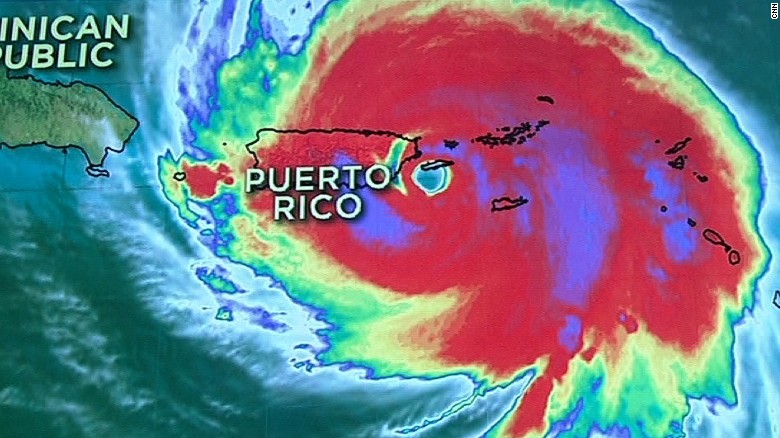
As I write this the American citizens on the U.S. territory of Puerto Rico are suffering from a major humanitarian crisis.  Hurricane Maria struck the island nearly ten days ago and as of today the vast majority of the population is not only without power many, especially in more rural areas, are critically low on drinking water and food.  Puerto Rico’s power and transportation infrastructures, already seriously compromised by previous storms this season and by a chronic lack of both human and financial resources, are broken.

Mayor Carmen Yulin Cruz of Puerto Rico’s capital city has appeared on national media begging that bureaucratic ‘red tape’ be cut so that aid can get to not only her city but to the entire nation.  One massive logjam is tied to The Jones Act, a century old regulatory law for Puerto Rico requiring that goods shipped between U.S. ports be carried by U.S.-built vessels crewed by U.S. citizens.  Nearly 10,000 shipping containers filled with essential aid have been languishing in port.  As of today (28 September) our president has eased this restriction finally allowing this critical aid to flow more easily.

According to Mayor Cruz there are many examples of how layers of protocol and bureaucratic ‘red tape’ are hindering what have become life and death for Puerto Rico’s 3.7 million residents.

I am following this event closely not only because I am a fellow American but also because as a sociologist studying and researching the humanitarian aid industry I am seeing in real time some of the dynamics that have appeared in the responses to other ‘natural’ disasters around the world.

‘Natural disasters’?
The oversimplified dichotomy ‘natural disaster’ and ‘human-made disaster’ must be questioned on several levels.  That this hurricane season is historic is a matter of fact, and that the magnitude and frequency of these storms appears to be linked to human action induced climate change -specifically warmer waters that provide more energy for these storms- is doubted by only a few.  Maria is ‘natural’, yes, but her strength is ‘unnatural’ and caused by what humans have done (or, in many cases failed to do). How aid is being delivered -or not delivered- since Maria moved north is adding to the disaster.  Delivery of aid in many forms is hindered due to an array of logistically challenging circumstances, to be sure, but human avarice, incompetence, and yes even racism must be considered as factors.

Paul Farmer has referred to the 2010 earthquake in Haiti as “acute on chronic” meaning that the quake itself was like a blow to the head to an already health-compromised cancer patient.  In the case of Maria, this storm was the acute event but must be seen in the context of an already weakened island territory.

Square peg in a round hole
How do the local actors -be they government officials like Mayor Cruz, community leaders, staff of local NGO’s, local staff of INGO’s etc.- deal with the complicated and sometimes convoluted world of log frames, assessment tools, accounting protocols, chains of communication demanded by the organizational structures who control the resources that are intended to help their affected communities?  How do the immediate and life-or-death needs of the affected community get addressed in a timely fashion when there are laws to follow and forms to fill out?

Sometimes rules need to be broken in order to save lives and restore dignity, but given the asymmetrical power dynamics that are very apparent in this situation, the default is to kowtow to the external actors -in this case the US government and large INGO’s who are responding- and follow laws and protocols.

From the particular to the general
I have been reading, researching and writing about ‘localization’ of aid and about local aid workers.  I know that many local aid workers -local actors- are frustrated by the situation described above.  As a sociologist looking in on the dynamic, what I see is a chronic and perhaps unavoidable clash between the local organizations that seek immediate concrete actions and external organizations (governments or INGO’s) that are burdened by accountability structures that make them inherently slow and frustrating to deal with.  As Wall and Hedlund put it “….the humanitarian system is in theory already committed to locally-led responses, but this rarely translates into practice. (p. 7)”

More soon.  You can reach me here.


Tom Arcaro

Tom Arcaro is a professor of sociology at Elon University. He has been researching and studying the humanitarian aid and development ecosystem for nearly two decades and in 2016 published 'Aid Worker Voices'. He recently published his second and third books related to the humanitarians sector with 'Confronting Toxic Othering' published in 2021 and 'Dispatches from the Margins of the Humanitarian Sector' in 2022. A revised second edition of 'Confronting Toxic Othering' is now available from Kendall Hunt Publishers

More Posts - Website

Follow Me:
Twitter

Off the radar: World Humanitarian Day

Our bandwidth is flooded
As I write this World Humanitarian Day -19 August- is just three days away, but in the minds of most in the US it might as well be, distressingly, never.

The events of the past weekend and reactions thereto in #Charlottesville, Virginia are dominating all social and network media.  And for good reason.  We have a president (lower case appropriate in this case) who, though quite capable of calling out and condemning countless targets, many trivial, has provided at the very least tacit support for neo-Nazis and all manner of white supremacists.

Though the memes have been entertaining, I find all of these events profoundly disturbing and I admit getting caught up in the emotions and feel a need to do something.

As a faculty member at a mid-sized liberal arts university privileged to teach sociology I commit myself to educating young minds about the power of analytical thought using empirical evidence -facts- as a basis from which to understand the world in general and events like #Charlottesville specifically.

I will do so, though, making sure they appreciate the connections between their world and the larger global ‘community.’  The massive, pervasive and utterly cancerous phenomena of ‘othering‘ must be addressed in detail and with historical context, and we will examine and attempt to understand all of the relevant social forces -economic, historical, political, technological and so on- that move our collective lives forward.

Connecting the local to the global
The end goal in my classes always has been to have my students make connections for themselves. At the top of my syllabi are these words:

“In contrast to those who suggest that we act as soon as the whistle blows, I suggest that, even before the whistle blows, we ceaselessly try to know the world in which we live — and act. Even if we must act on imperfect knowledge, we must never act as if knowing is no longer relevant.”
– Mahmood Mamdani, Saviors and Survivors (p. 6)

So, yes, for most in the US World Humanitarian Day will be a non-event, but at least for my students there will be discussions putting our current local US events into a broader context.

Here’s specifically how
By coincidence I start travel to Amman, Jordan 19 August -World Humanitarian Day- to further my research on local aid worker voices, this time in Jordan.  I will use this experience to open the eyes of my students by telling small stories and having them read, research, and then write about the humanitarian crisis in Syria and Iraq and press themselves to make analytical and critical connects between the ‘othering’  there and that in the US.

My action here is a small and perhaps purely academic act, to be sure, but it allows me to believe that I am doing something.  I will press them as I press myself to do more, but always keeping in mind Mandami’s words.

Tom Arcaro

Tom Arcaro is a professor of sociology at Elon University. He has been researching and studying the humanitarian aid and development ecosystem for nearly two decades and in 2016 published 'Aid Worker Voices'. He recently published his second and third books related to the humanitarians sector with 'Confronting Toxic Othering' published in 2021 and 'Dispatches from the Margins of the Humanitarian Sector' in 2022. A revised second edition of 'Confronting Toxic Othering' is now available from Kendall Hunt Publishers

More Posts - Website

Follow Me:
Twitter

Addressing the binary illusion of ‘expat vs local’ aid workers

“…today’s expat aid worker can be from anywhere and go to anywhere.”

-J (Evil Genius)

Addressing the binary illusion of ‘expat vs local’ aid workers

False binary
Very simple message here.

Bluntly put, the ‘expat versus local’ narrative perpetuates a sloppy false binary. In order to articulate our understanding of the world we all tend to shorthand toward generalizations that make sense in terms of our lived experience, most of the time unconsciously so.  We see and understand the world around us through the lens of our most recent experiences which most times are in a somewhat fixed in location.  Even the most learned among us default to overreachingly broad comments to make a point.

Color me guilty as well.

Badass sociologist C. Wright Mills

One antidote for this tendency was described in the mid-20th century by C. Wright Mills, an American sociologist who coined the phrase “the sociological imagination.”  Using this tool, one habitually takes the broadest appropriate view of issues both temporally and geographically. But the danger here is literally TMI, ‘too much information’ and thus tends to handcuff the thinker with ‘the paralysis of analysis.’

As discussions about the status of all aid and development workers moves forward we can do well to clarify our talking points, definitions, and points of view.  This, and ask some hard questions.

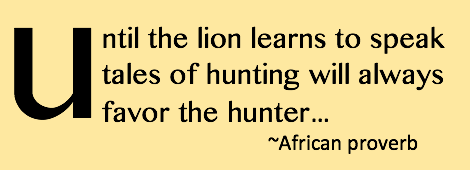
‘Tales of hunting’
That the narrative driving much (most?) discourse in the sector -including the ‘expat v local’ is dominated by
a global north, largely white and relatively privledged population seems apparent.

That said, this is being written by a global north, relatively privileged white male, so it could be argued that my perspective is inherently biased as well. Neither Mills nor I can defend that barb except to say that as much as sociology is a science and scientific knowledge is transcendent then, yes, with effort, objectivity, and clarity our observations can be viewed as useful.  But I digress.

As an aside, if someone responds that “all [aid worker] lives matter” are they are saying, in effect, “all lives matter”, and do we really want to go there?

Clarifying observations?
Of the hundreds of thousands around the globe right now doing what can be called aid and development work (and yes, I know I am driving some readers crazy inferring the two are conflated), there are many who defy easy categorization.  J (Evil Genius), points out that,

“Much of the local (and international) angst about expats seems to be grounded in some outdated (and often also ethnocentric) assumptions about who the expats are and where they’re from. When @TMSruge (low-hanging fruit example) rants on about expats in Africa, he’s not talking about the gazillion Chinese, nor is he talking about all the Filipinos, nor is he talking about all the Kenyans in Uganda, or all the Ugandans in South Africa, or all the South Africans in Mali. He’s talking about the white dudes (and to a lesser extent, white women because they seem to do more selfies)….”

What percentages of all aid and development workers from the global north fall onto one of the following three buckets:

  • Those exclusively doing work in their home country.
  • Those who work mostly outside of their home country.
  • Those who work exclusively outside of their home country.

Same question, but what percentages of those from the global south fall into each of those buckets?

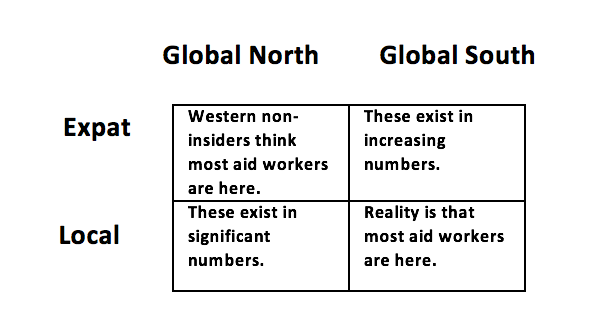
Here is a simple 2×2 table illustrating my views on the perception versus reality regarding aid workers.

As J (quoted above) goes on to point out, any discussion of ‘expats versus locals’  “needs to be nuanced around the fact that today’s expat aid worker can be from anywhere and go to anywhere.” He goes on to say “… it needs to be further nuanced around the motivations and expectations of the various categories and sub-categories within the very broad “expat.” I suspect (this would be an amazing question to study… 😉 😉 ) that the reasons white Western people go into international aid work is different from the reasons all the Kenyans, Congolese, Zimbabweans, and Ugandans do. Which are probably different still from the reasons why Japanese, Singaporeans, and Sri Lankans so…”

I hear that J is working on a non-fiction book tentatively titled “Expat” and I look forward to learning from his well thought out insights that, I suspect, would make C.Wright Mills proud.  As someone who has ‘been there, done that’ more than most, I know he has a wide angle perspective worth a read.

Another false binary
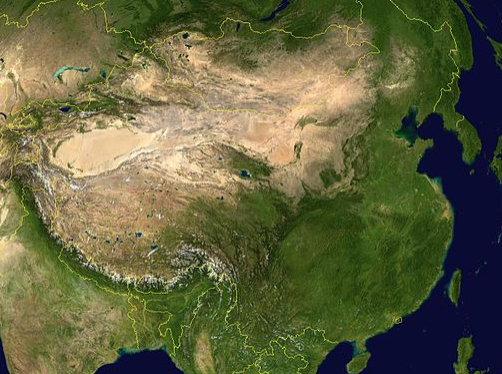
That the convenient ‘global north/global south’ distinction is also a false binary complicates our analysis further.  Certainly the ‘gazillion Chinese’ mentioned above stress this distinction. One consideration is that most nations are not ‘one nation’ in many senses.  Though from the outside China might be painted as a monolithic whole, the differences between the perceptions, actions, and agency of the elites in Shanghai or Beijing and the rural poor in the Xinjiang region are stark and significant.

To even further deepen the discussion one aid worker pointed out that “…in my experience, those that are ‘local aid workers’ don’t necessarily know that they’re working in aid.”  She makes a good point and raises the question as to how all aid workers see themselves in terms of the ‘expat/local’ and ‘North/South’ taxonomy.  My guess is that a massive number would reject such simplistic and narrow pigeon holes.  Perhaps we -yours truly included- should as well.

Semantics
Above I have addressed both the ‘expat vs. local’ and the ‘Global North vs. Global South’ issues in a way that I hope will raise even more questions and offer a small ray of light.  Clarifying what we are talking about -and then talking about the same thing with each other- is productive, and perhaps some of the above moves us in that direction.  For my part I will continue researching and reporting aid worker voices in general and more specifically on the whole topic of ‘ localization’, whatever that means.

Have a link you recommend that I look at, a reading suggestion, or comments in general?  Contact me.

Tom Arcaro

Tom Arcaro is a professor of sociology at Elon University. He has been researching and studying the humanitarian aid and development ecosystem for nearly two decades and in 2016 published 'Aid Worker Voices'. He recently published his second and third books related to the humanitarians sector with 'Confronting Toxic Othering' published in 2021 and 'Dispatches from the Margins of the Humanitarian Sector' in 2022. A revised second edition of 'Confronting Toxic Othering' is now available from Kendall Hunt Publishers

More Posts - Website

Follow Me:
Twitter

Inviting an Evil Genius to my class

“They say knowledge is power, and incidentally the more I learn about society the more cynical I become.”
~Intro to Sociology student

“To think deeply in our culture is to grow angry and to anger others.”
~Jules Henry, American anthropologist


Using Skype to educate students about refugees
One of my joys as a university professor is teaching Introduction to Sociology to mostly first year students.  I talk about my research and writing when appropriate, and this term I have had my students read some posts on this blog, one or two having to do directly with the current refugee crisis.

Soc -J
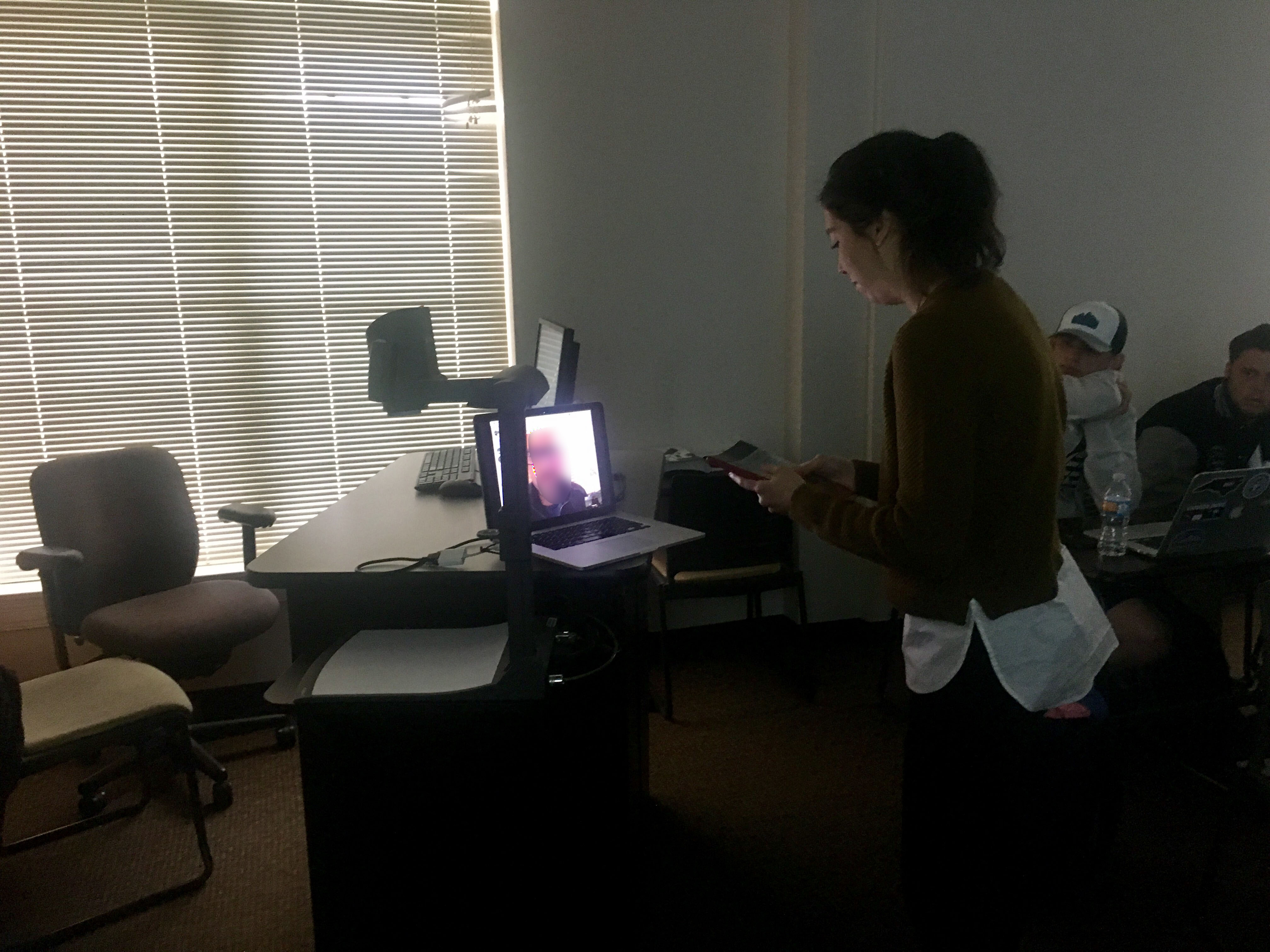
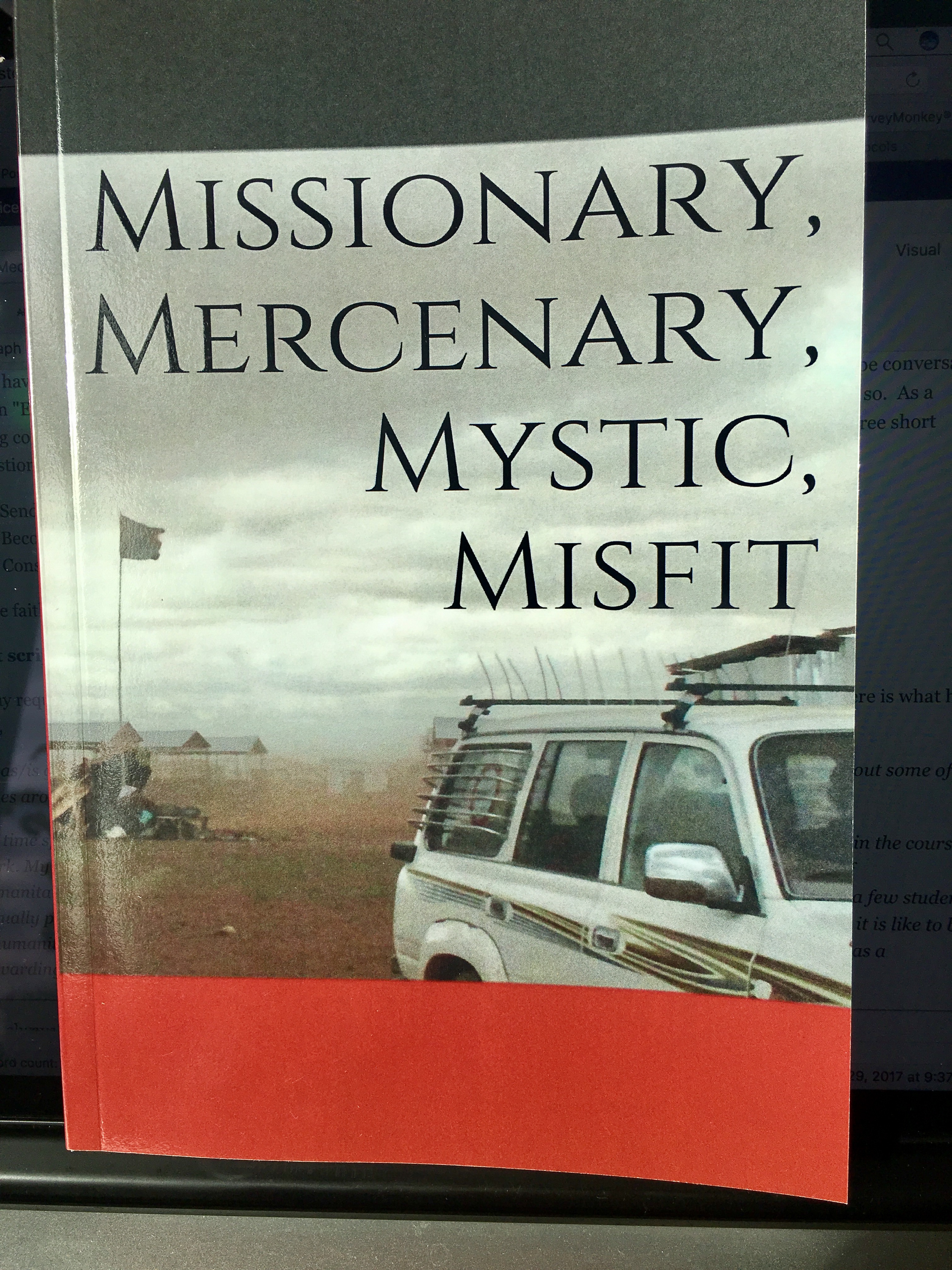
Student talking with J (holding a copy of Missionary, Mercenary, Mystic, Misfit).

Just before spring break we were covering a text chapter on ‘global stratification’ and were asking questions about the staggeringly skewed distribution of wealth in the United States and around the world.  As I prepared for our class discussion a thought occurred to me, ‘why not invite an Evil Genius to my class?’  A few Skype messages flew back and forth between here and Jordan, where J is deployed, and it was arranged.

Below are the questions I sent to J, the man behind the Evil Genius brand, to help him prepare for our Skype conversation with my class.  I also emailed these question to my students and told them that they would be invited to ask J questions, as well.

• Where are you and what is your main job?
• How have Jordan and other regional nations responded to the influx of refugees?
• How many refugees are there from the 6 year Syrian conflict?
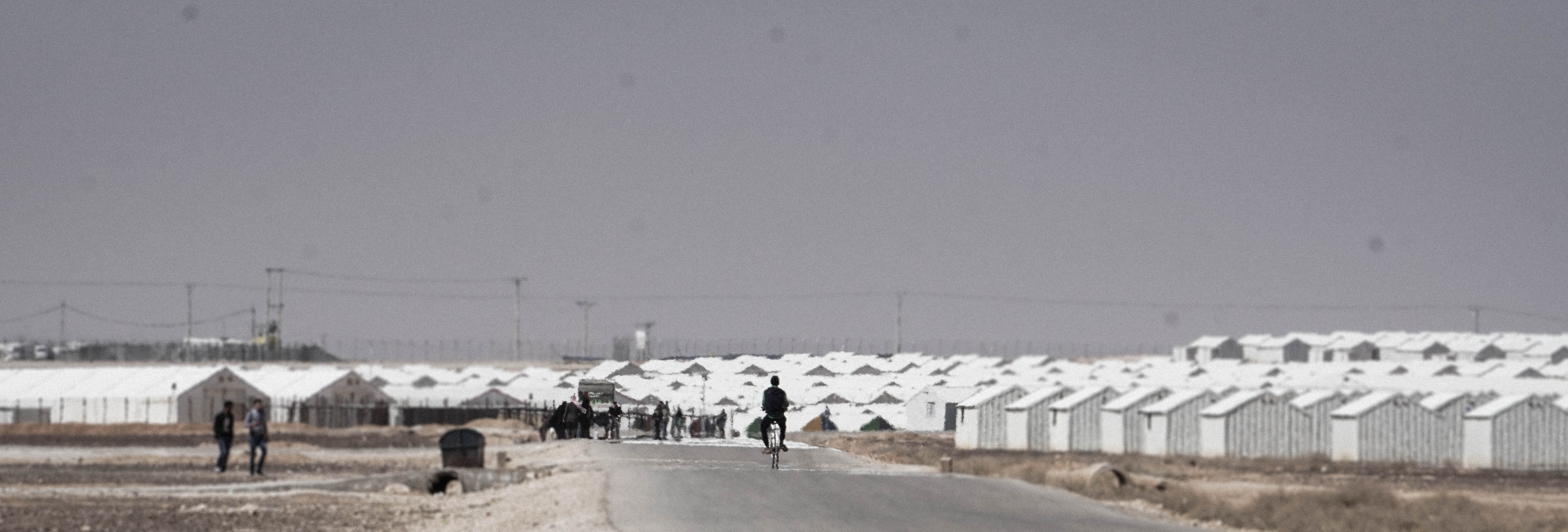
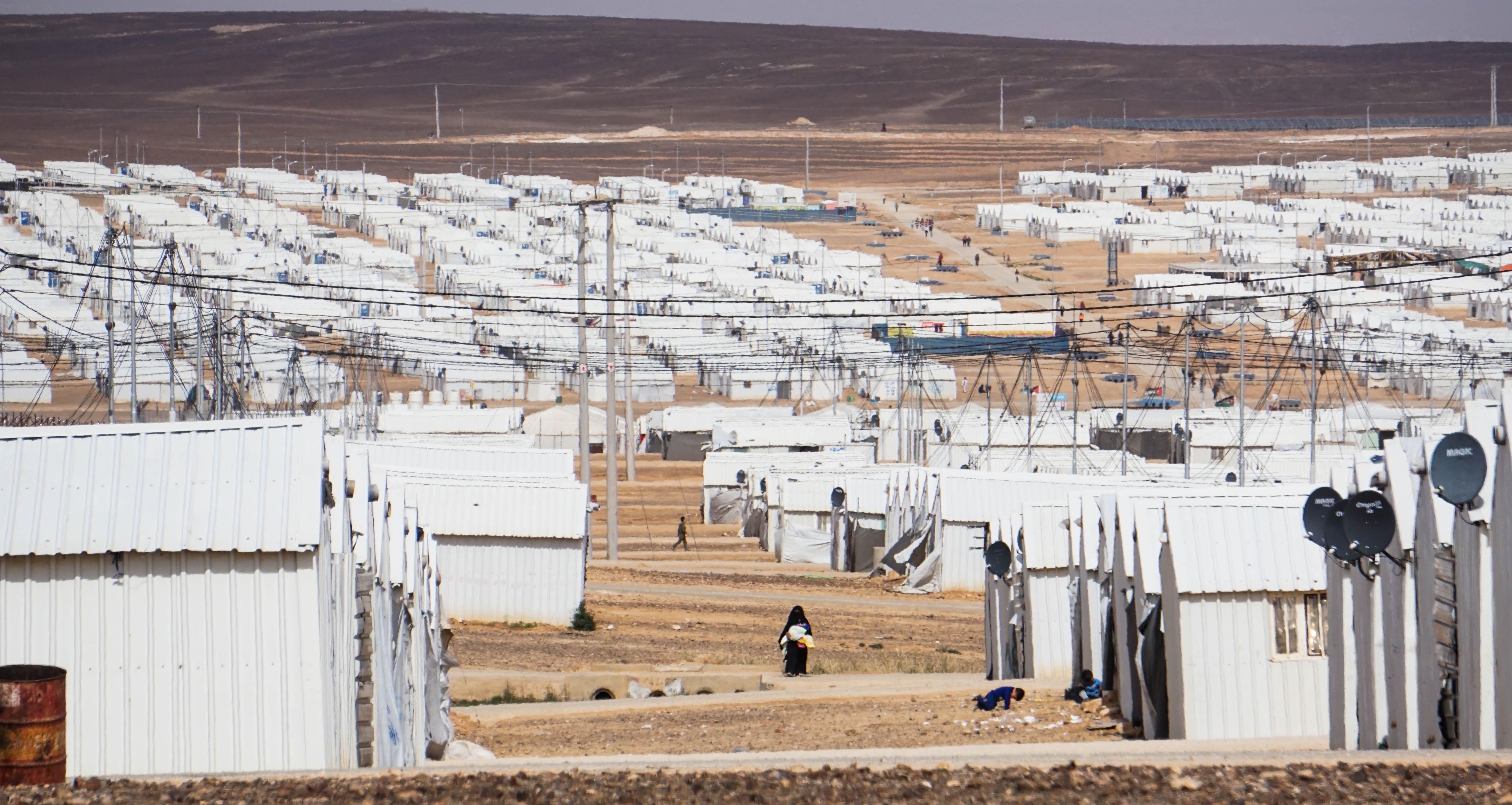
• What does a refugee camp look like in terms of size, amenities, etc?  How do people get food, water, medical attention?  Are there schools for the children?  What measures are taken to ensure security in general and more specifically related to GBV?
• What are the refugee’s hopes for repatriation, for going back home?
• What is the general response to our new (US) President and his views on cutting back on foreign aid?  How will any changes in State Department policies impact what you are able to do?
• From your position as an aid worker in Jordan, what does the future look like in terms of meeting humanitarian needs, both in the Middle East, and more generally around the world?
• What can a well-intentioned university student do to help?

During our 40 minute Skype session most of these questions were addressed.  As part of a writing assignment, I had my students respond to this prompt:

Monday we had a Skype guest from Jordan, [named] J.  He talked about the refugee situation there and about his organization’s efforts and challenges.  What did you learn from J and how did your experience in this class so far help you understand what was being talked about?

Refugee as ascribed status
Earlier in the semester we talked about the concept of ‘status’ making the differentiation between ‘ascribed’ statues such as age, race/ethnicity, and gender that you are born with and those that are achieved though life accomplishments such as college graduate or athlete.  In our discussion we noted that this dichotomy bares scrutiny, especially when looking at younger people.  For example, is social class ascribed or achieved?  You are certainly born into one class position -ascribed- but can later in life ‘achieve’ a higher (or lower!) social class standing.

So, where is ‘refugee’ status in this particular taxonomy?  Here is some of what my students had to say [used with permission].

This first one represents many and shows how much they learned from the short conversation.  J had made the point that providing meaningful activities helped lower overall stress levels and hence was a way to indirectly lower GBV.

Jordan Deployment 2017 121
Photo credit: J

I was really interested in what he had to say about what he does and about the refugee crisis. The first thing he said that really shocked me was when he said that his organization didn’t have nearly enough resources that they needed to be able to help the refugee situation. They are doing everything they can but they are very low on resources.  I had known about the refugee situation but didn’t know the facts that J went into detail about. He talked specifics about what his organization does to help and he talked about what the refugee camps look like. As he was describing them I was very interested to get a visual, so I Googled the camps that he told us about and was astonished by the pictures that came up. Their living arrangements are not the best, but they work. They are very small white shelters that house many people. They also try to keep the refugees busy. They have a soccer league that has about 60 teams. J also talked about that when people come to the camps, they really don’t see an end. They plan to spend the rest of their time at the camp until they might be able to go home. But the odds of that happened or them being able to go somewhere else are slim to none.”

This next one sums up the the reality check this session gave my students.

Jordan Deployment 2017 119
Photo credit: J

“He also described how large the camps were and the poor conditions that each family or group of people had to live in. He said something along the lines of “I guess its better than being shot at”. Our class definitely gave me a better ground to understand what he was talking about. We spent a good amount of time on ascribed statuses and this relates directly to the refugees. They did not choose this for themselves but were unfortunately born into this situation.”

Aid workers tend to see both the worst and the best of humanity, oftentimes in the same day or even hour.  When J related anecdotes about the resilience of some refugees they were struck.

J’s Skype call in class taught me a lot about aid workers and the current struggle they have daily. I learned from J that at the end of the day, humans have resilience to get through each day. I learned that there isn’t nearly enough resources available for those who need it, so to continue to work at a lost cause is heroic. I learned that refugees being refugees are their ascribed as well as master status. Knowing this, I felt more sorry for the cause and feel worse than I already do. Obviously they cannot help being a refugee, but living below the poverty line is insane and knowing what that budget looks like only breaks my heart for them.”

These next two sum up why I invited an Evil Genius to class.

“The Skype call from J really opened my eyes to the problems and challenges that aid workers around the world face everyday. When we discuss the issues they have in a classroom setting it is all words and paper, you cannot fully grasp the gravity of the situation they are in until you see/hear it from someone on the front lines. My experience in this class learning about the unwritten social guidelines and tolerance limits that form in every social setting helped me understand why emergent mafias and gangs fill the refugee camps. It helped me understand how the cultural differences between the Syrians and Jordanians can cause conflict between them, as a taboo for one culture maybe a norm for the other. Overall, I gained much more insight through his call and the problems he faces everyday by knowing and understanding sociologically the issues present and being able to relate to the methods uses to solve them.

Jordan Deployment 2017 118
Photo credit: J

“I have always been a little naïve when it came to the whole refugee topic. I knew that it was a problem, but I never really knew how much of a problem and how much people were really trying to help. I think that listening and talking to J really opened my eyes to the bigger problem around me and going on throughout the rest of the world. Something that I learned was about gender based violence and I thought that was extremely interesting. Another thing that I learned that I would have never even thought of was that while most of the refugees would probably one day hope to ultimately make it to America, right now that is not their main concern. They just want to remain safe and to get away from the violence. They want their friends and families to be safe. I just thought that the main goal for refugees was America. I think that being in this class helped to really broaden my scope of the world. There are so many people who are going through and living in a nightmare. We have to realize that there really are such different things going on in different places other than America. Not just the problem with refugees, but all over the world.”  

And, finally, this one concludes with a wise, sober,…and sad observation.

“As J described what was and what is happening to refugees it opened my eyes to just how big of a problem it really was in the world. The phrase that has stuck with me the most would be, “Its like they’re putting a band-aide on cancer.”- (Professor Arcaro). The fact that they are only able to do so much and that they can’t fix the main problem is just a sad situation and even hurts me on the inside. As I was thinking back on how this correlates to past class discussions it made me think about how social deviance will always be there forcing society to adapt to certain situations. That it is humanity’s fault that there are refugees in the first place.” [emphasis added]

Aid workers as heroes
As we said ‘thank you’ to J at the end of the conversation the class gave him a round of applause and afterwards some of them spoke about how much they admired J for what he was doing.  One student wrote,

“I am truly inspired by J and his efforts. He has dedicated his life to saving people he has no personal connections or ties to. I thought about this while listening to him in class and I was reminded of something we briefly learned in the beginning of this course: there is no such thing as doing something from the bottom of your heart. As humans, we are constantly keeping tabs on favors that we do for people, and that they do for us. I am not accusing J of acting on selfish motives in any sense- in fact, I am attempting to disprove the theory dispelling kindness. I believe that J is a testament that genuinely kind people do exist, who act selflessly without expecting anything in return.” 

I did not take the time to go into the issue of why aid workers do what they do and how most of them -J most definitely included- do not see themselves as ‘heroes’ but rather as ordinary people with a professional career doing the best job they can with the tools at hand.

My take home on this
We all have much to learn, still, about how the global sociocultural/political/economic system works. Did a Skype conversation with an “Evil Genius” do anything to move the awareness needle in a positive direction for my students?  I hope so.  As a parting comment J answered the question, “What can a well-intentioned university student do to help? with three short suggestions.

  • Send money to organizations that can make effective use of additional resources.
  • Become/remain politically active and vote for candidates who address global issues positively.
  • Consider coming into the humanitarian aid and development sector eventually.

I have faith that many in the class will follow his advice.  I hope so.

Post script

At my request J offered some reaction to what the students had written and to our class Skype conversation.  Here isFullSizeRender 34 what he said,

It was/is good to read student’s reactions. I can tell that many of them are challenged to think more deeply about some of the issues around refugees than before, and that is a good thing!

My time speaking with the class was mostly focused on the issues that many professional humanitarians face in the course of work. My book – MMMM – that they’re reading focuses on the toll that humanitarian work takes in the lives of humanitarians. Very different things. I guess if I could be granted a wish in this case, it would be that at least a few students actually put the two together – a deeper understanding of the issues, along with a more realistic sense of what it is like to be a humanitarian than is commonly protrayed in popular culture – and then may embark on humanitarianism as a rewarding career!


As always, you are welcome to contact me if you have comments.

Tom Arcaro

Tom Arcaro is a professor of sociology at Elon University. He has been researching and studying the humanitarian aid and development ecosystem for nearly two decades and in 2016 published 'Aid Worker Voices'. He recently published his second and third books related to the humanitarians sector with 'Confronting Toxic Othering' published in 2021 and 'Dispatches from the Margins of the Humanitarian Sector' in 2022. A revised second edition of 'Confronting Toxic Othering' is now available from Kendall Hunt Publishers

More Posts - Website

Follow Me:
Twitter

Putting out fires with gasoline

“Humanitarian aid work is more and more like firefighters. We are not the ones in charge of pursuing those causing the fire to stop them, we just jump from one emergency to the other, and that will not change things for good.”

-40yr old female expat aid worker


Putting out fires with gasoline
Just a short rant as I deal with my demented news feed.

The need for a coordinated, well resourced aid sector is, arguably, more acute just now than at any other time in history. The latest news from the UN  reports 20 million people- mostly children- are in danger of famine and starvation right now.

To be clear this is a human made disaster. War and famine ‘feed’ each other in a demented death spiral, continually, not just yet again.

These humanitarian crises are human made but, as the female expat aid worker notes above, those in the sector are just going from house to house trying to put out fires.  Could it be that they are -in part- using gasoline-laced water to out out these fires and that
gasoimagesline is the same that is powering the lifestyles and livelihoods of the neoliberal economy driven global north?

A call to action?
Going back through the data from our survey I came across this:

“Aid work, human rights instruments etc I think are most important for setting normative global cultural imperatives. “  – 40 yr old female, HQ based

I have argued in previous posts that if indeed [sociologist Emile] Durkheim was right in asserting that there is such as thing as a collective consciousness then aid and development workers are the conscience of our collective consciousness.  As such they should not just react to those in need but as well proactively work toward “…setting normative global cultural imperatives.”

Yes, summits are good.  Taking principled stands, such as with MSF’s withdrawal from participation in the WHS, is also good.   Establishing and urging the adherence to a sector-wide core standard is very good, but still surely reactive.

What more can be done to have aid worker voices more demonstratively part of the conversation about how we organize and live our lives?  Focused with the right kind of organizational lens the collective insights of sector workers could move the needle forward.  It may be worth a try, but I suspect there are few if any social engineers visionary or powerfully positioned enough to construct such a lens.

imagesA reason to professionalize the sector
There are many good reasons to continue moving forward in ‘professionalizing’ the sector, and the one I am suggesting here is to have aid worker voices heard at the highest levels.  I know that this is tilting at windmills, but if humanity has hope it lies not with politicians or CEO’s but with those who know the most about our needs individually and as members of this unevenly globalized world.  We need to follow our conscience.

May we all continue the struggle to ensure pathways to dignity for all, including ourselves.

To rant back click here.

Tom Arcaro

Tom Arcaro is a professor of sociology at Elon University. He has been researching and studying the humanitarian aid and development ecosystem for nearly two decades and in 2016 published 'Aid Worker Voices'. He recently published his second and third books related to the humanitarians sector with 'Confronting Toxic Othering' published in 2021 and 'Dispatches from the Margins of the Humanitarian Sector' in 2022. A revised second edition of 'Confronting Toxic Othering' is now available from Kendall Hunt Publishers

More Posts - Website

Follow Me:
Twitter

Voices to come: still listening, commenting, and partnering

Voices to come:  still listening, commenting, and partnering

Though Aid Worker Voices was published last September, my work in listening to aid and development workers did not end with that benchmark.  Quite the opposite, in the last six months I have been in close contact with many interesting souls working in the sector both here in my home country and around the world.

Of immediate note are two major projects currently in the works.

Screenshot 2017-03-06 16.41.51

Local aid workers
My blog post on Zambian aid workers caught the eye of Filipino aid worker Arbie Baguios, and I am working with him now to learn more about the views of aid and development workers in the Philippines.  With a population of over 100 million, there are many thousands of Filipinos doing aid and development work, some for domestic organizations such as the Philippine Disaster Relief Organization (PeDRO), others for transnational organizations like the International Committee of the Red Cross (ICRC), and many even working in the CSR branches of private businesses.

Arbie and I will work to find out what these many voices have to say about the sector as it exists in the Philippines and report and comment on what we learn in the coming weeks.

Screenshot 2017-03-09 15.00.30

LGBTQI+ aid workers
Veteran aid worker Ryan Arias Delafosse helped to spread the word about a survey that was the basis for the chapter on (and blog post about) LGBTQI+ women and men in the sector.  Though that research six months ago shed light on man
y questions, we both felt that more voices needed to heard on a range of additional, mostly HR related, issues.  The new survey we are working on will be a collaborative effort vetted by Ryan and other industry insiders. Our focus will be on both LGBTQI+ workers and non-LGBTQI+ friends, colleagues, family, and local staff as allies.

Some questions we are considering include

  • How do aid workers handle visa applications for their wives, husbands, and partners when planning for deployment to
    countries with anti-LGTBQI+ laws?
  • In what ways is day to day life impacted both at work and during non-work hours and what are the risks -and rewards- in both settings for LBGTQI+ workers?
  • How important are non-LGBTQI+ allies? Are they critical for both emotional and physical security/sanity in the field, at HQ, and in life in general?  How does one know if they are being an effective ally?  What are mistake allies make when trying too little or too hard?
  • What functions do social networking sites serve for LBGTQI+ workers?

Second, revised edition of Aid Worker Voices?
In conversations with both colleagues here on campus and in the sector the observation is made that books are very ‘old school’.  As a professor at Elon University I have gone paperless in my teaching in the last six months, and am currently using an online text for my Intro to Sociology class, supplemented by hyperlinked readings, videos, and web sites.  All of my courses have been blog-based for the last half decade.

Veteran aid blogger and fellow academic Tobias Denskus and I have talked about the trend toward more multi-media rich platforms for transmitting knowledge, and we both see this as a more or less permanent change in how we consume information -even research- both within our academic fields and in our daily lives.

Perhaps no great loss to humanity, there may never be a second or expanded version of Aid Worker Voices.  Perhaps the best that I can hope for is that the smart screen writer who finally turns Evil Genius’ riveting story of Mary-Anne’s experiences in Dolo Ado (Missionary, Mercenary, Mystic, Misfits) into a movie will use my insights on the moral career of aid workers as deep research.

I can hear the St. George’s clinking in Billy-Bob’s now…

Stay tuned, there’s more to come.  In the meantime I can be reached by clicking here.

Tom Arcaro

Tom Arcaro is a professor of sociology at Elon University. He has been researching and studying the humanitarian aid and development ecosystem for nearly two decades and in 2016 published 'Aid Worker Voices'. He recently published his second and third books related to the humanitarians sector with 'Confronting Toxic Othering' published in 2021 and 'Dispatches from the Margins of the Humanitarian Sector' in 2022. A revised second edition of 'Confronting Toxic Othering' is now available from Kendall Hunt Publishers

More Posts - Website

Follow Me:
Twitter

Why are you here?

Why are you here?
No, seriously, why are you right now reading this blog post? Inherent of what is this behavior?  What can you gain by investing a few minutes reading this post?images

I suspect that you visit any number of similar social media sites on a fairly regular basis for…the same reasons as you are here, now.

But why?

Some answers
The list of aid worker oriented social media sites is long, and in a blog post many months ago (“Using the Interwebs: networking and blogging sites hosted by or geared to aid and development workers”) I listed many ‘popular’ sites and offered an answer to the question I posed above.  Here’s what I said back then,

“All [social media sites] serve to affirm, inform, amuse and facilitate networking of all manner and, in some cases, to amplify snarkiness in an echo-chamber fashion. I believe that the sector is well served by these means of communication; the impact is a net positive. As humans we all have a strong need to feel that we are not alone in our experiences, emotions, perceptions and struggles, and on the whole these sites serve in affirming that we are not alone.  A sector that knows itself better can function more efficiently, one might assert. That said, the various moments of ‘vetting’ can get quite snarky at times and can contribute to self defeating cynicism in some cases.”

Indeed, that is the very premise of this blog and the book that came out of earlier posts.  You are here because the short time spent on this page serves to connect you to and to deepen your understanding of your ‘tribe’ or at least to those for which you feel some affinity. Gaining knowledge about those in your real (or aspirational) network can facilitate relationships and bring us together.

Many sites serve as a sounding board for HR related issues (Fifty Shades of Aid), others link together those who share similar ascribed and achieved statuses (AidMamas, Womeninaid, GAYdworker) and some keep us up to date with issues within the sector (Aidnography, WhyDev among others). Finally, there are some that just stimulate our imaginations while offering insightful and often bitingly accurate perspectives on the sector.  We’re looking at you, Evil Genius.

I must add, to be obvious, that all those team house, karaoke bar, and water cooler discussions serve these functions as well.   The two outlets -social media and f2f- are not separate though in many cases social media sites tend to be more “me talk, you listen’ (Aidworkervoices is a good example of this).

Another answer: evolutionary psychology and aid workers
Visiting sector-focused social media sites serves also to feed our natural hunger for gossip.  The premise of the evolutionary imagespsychology of gossip is that in our environment of evolutionary adaptedness (EEA) knowing the business of others was a social and hence survival advantage, helping us to differentiate between friends and foes, those we can trust and those we can’t.  Wanting to know about the lives of others in our social network is wired into our minds and behaviors.  Though gossip has a bad reputation, it is indeed part of who we are.

So, investing a few minutes in a site called “Aid Worker Voices” seems like a natural and reasonable investment in time.  In any case, I hope you have found some value in this post and in this blog in general.

And that’s all I have for a Sunday evening.  Send me a note if you have comment or thoughts.  I’ll feel affirmed if you do.


Tom Arcaro

Tom Arcaro is a professor of sociology at Elon University. He has been researching and studying the humanitarian aid and development ecosystem for nearly two decades and in 2016 published 'Aid Worker Voices'. He recently published his second and third books related to the humanitarians sector with 'Confronting Toxic Othering' published in 2021 and 'Dispatches from the Margins of the Humanitarian Sector' in 2022. A revised second edition of 'Confronting Toxic Othering' is now available from Kendall Hunt Publishers

More Posts - Website

Follow Me:
Twitter

An observation from SupGaleano, a ‘local aid worker’

Some (further) thoughts on the big picture
Unpacking the ‘big German philosophical guns’ in a blog post entitled From impact to transformation: Do-Gooders, Multicolored Saviors and development as lifestyle my colleague from Sweden Tobias Denskus points out that, “You can have ‘impact’ without social transformation, you can contribute to positive change while underlying social structures remain intac and you can ‘reduce poverty’ while inequality is rising at the same time”.

Yep.

In a post [warning: long read] turned into a chapter for Aid Worker Voices I give a theory-based and somewhat detailed look at the observation Dr. Denskus makes.   I conclude that moving the needle forward permanently with regard to poverty/justice-related social issues is at best extraordinarily difficult and is indeed perhaps not possible.

Human agency – 0, the inexorable algorithm of capitalism – 1.

A charge from Marcos?
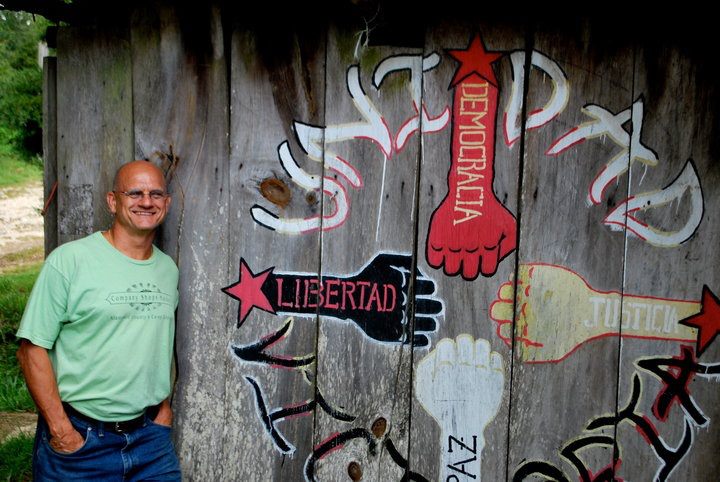
Twice I have had the privilege of visiting  the symbolic home of the Zapatista Army of National Liberation o378099_747879691123_499699228_nEZLN in Oventic, Chiapas, Mexico. I have long been a consumer and student of the EZLN’s rhetoric, most particularly that of Subcomandante Insurgent Galeano nee Marcos.  To say that the leadership of the EZLN has a deep understanding of capitalism and neoliberalism is aFullSizeRender 32n understatement.

For a quick view of the Zapatistas and of a small NGO that works in partnership with the EZLN look here.

Their struggle for the rights of indigenous people in Chiapas and around the world is, in my opinion, unmatched in terms of intellectual rigor, methodology, and sheer audacity.

Are the members of the EZLN ‘local aid and development workers’?  Having spoken and worked with them and seen how their community meetings function I have so say an unqualified ‘yes.’

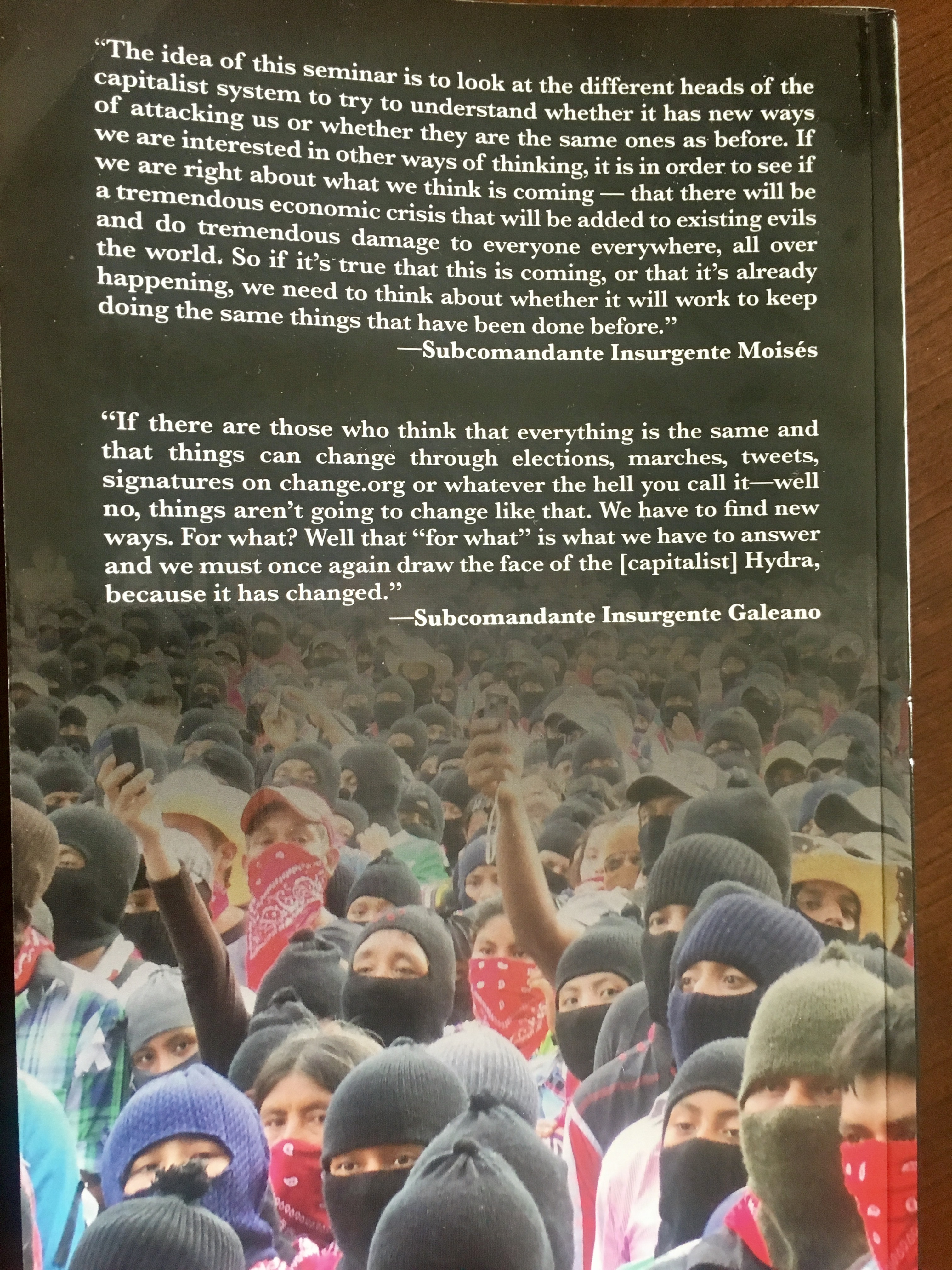
Recently SupGaleano argued  “If there are those who think that everything is the same and that things can change through elections, marches, tweets, signatures on change.org or whatever the hell you call it — well no, things aren’t going to change like that.  We have to find new ways.  For what? Well that ‘for what’ is what we have to answer and we must once again draw the face of the [capitalist] Hydra, because it has changed.”  (found in Critical Thought in the Face of the Capitalist Hydra: I: Contributions by the Sixth Commission of the Ezln)

The Hydra
His point -that globally the nature of capitalism and neoliberalism is ever adapting and changing and, most importantly, has many ‘heads’ with which to harm humankind- is simple, compelling, and important.  Of course there are other forces at work, but downplaying economic determinism is, I feel, not an option.  Want to understand well, anything about modern geopolitics?  Follow the money.

One example of this ever-adapting hydra is the increasing reach and impact of corporate social responsibility initiatives and partnerships.  The CARE-Cargil model is here to stay and will have deeper and more profound impacts in the coming years.

It is a point thimagesat many of us know but easily forget or ignore. All of us find it hard to communicate that understanding especially now in a political landscape dominated by narrow minded and ‘thin’ populism.  The reality is that too few people have the luxury of looking at the big picture because they are too busy existing day to day on a conveyor belt driven by a hydra that feeds on insecurity, avarice, and fear.

One aid worker put it this way,

“I think humanitarian aid work operates within a system that is built on inequality – we won’t see large scale change happen in the lives of people, in terms of long term development, until we start to challenge the structures and systems that result in this inequity in the first place. And the heart of those institutions is within North America and Europe – until we recognize how dependent we are on the oppression and marginalization of others for our own betterment and benefit (i.e. access to cheap disposable goods, foreign foods and fresh imports, temporary foreign workers to fill low-income job vacancies, etc…), humanitarian aid work is just another cog in this bullshit machinery.”

Our charge
The question for all of us is how do we deepen our understanding of the existing neoliberal structures impacting humanity?  Yet, even if we can ‘redraw the Hydra’, what then?   From the SupGaleano perspective the answer is to re-stock our quiver with newer and better informed arrows, the assumption underlying this tactic is that the hydra can be defeated.

But can it?

I gave my answer to that above.  What’s yours?


Feedback, trolling, snark or fan letters can be sent to me here.


Tom Arcaro

Tom Arcaro is a professor of sociology at Elon University. He has been researching and studying the humanitarian aid and development ecosystem for nearly two decades and in 2016 published 'Aid Worker Voices'. He recently published his second and third books related to the humanitarians sector with 'Confronting Toxic Othering' published in 2021 and 'Dispatches from the Margins of the Humanitarian Sector' in 2022. A revised second edition of 'Confronting Toxic Othering' is now available from Kendall Hunt Publishers

More Posts - Website

Follow Me:
Twitter

Which is worse?

unknownWhich is worse? (You have to choose…)
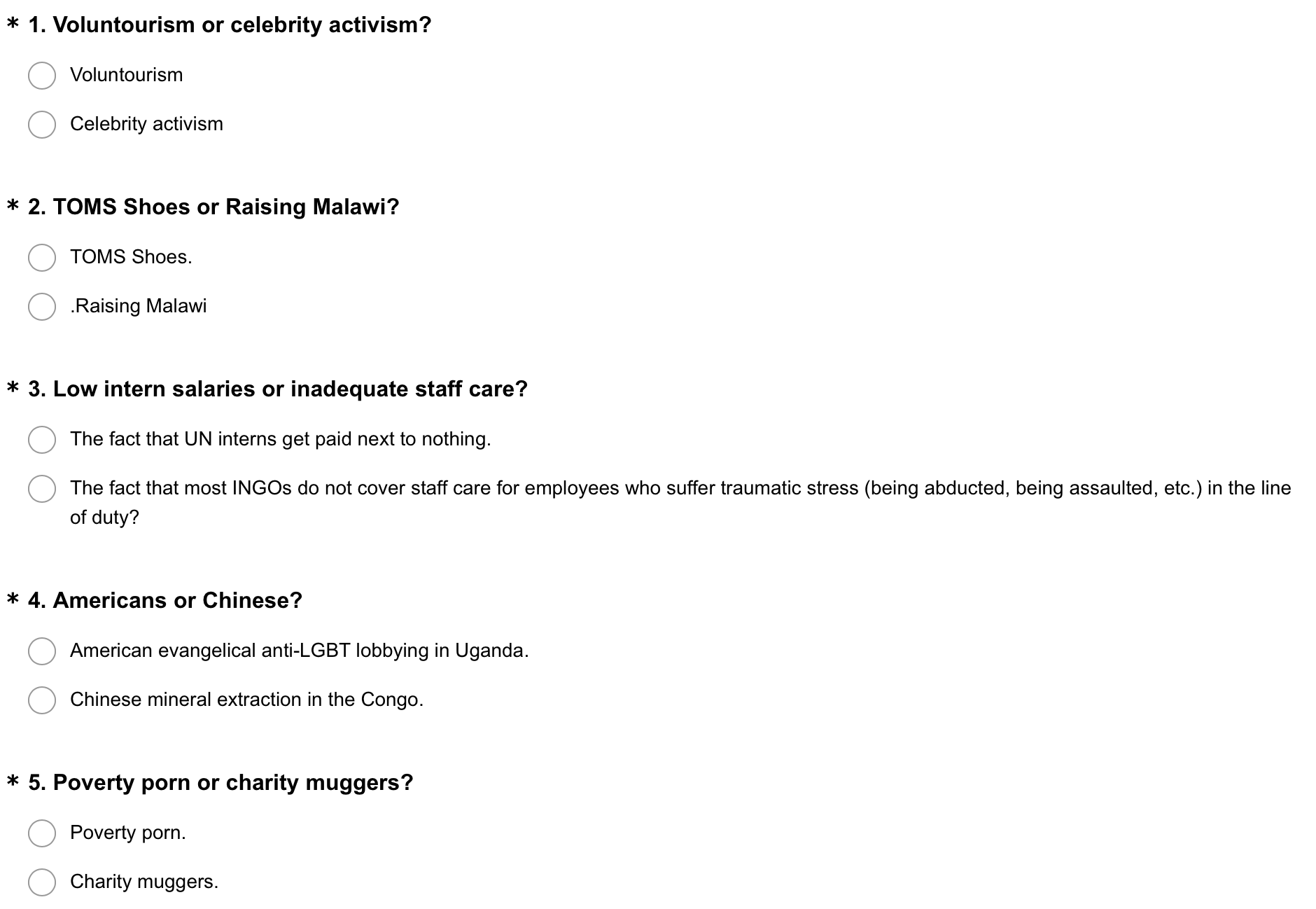
Some months ago my friend, colleague and frustrated social scientist Evil Genius (otherwise know as J) put out through social media a link to a ten item survey.  The ‘hook’ used in this survey is the fun involved in encouraging aid workers to express exactly which is worse when posed with two similar options, both of which are annoying, contentious or otherwise frequent points of controversy within the sector. Here’s the survey (still open).

No, the idea having fun making binary choices is not new.  There are some pretty, uh,  juvenile web sites devoted to just this including one that allows you to make a choice and then instantly see the results and another that uses your choices to act as personality test.

All snarky comment aside, the parlor game of being asked to choose the ‘lesser of two evils’ is of some value and, in this case, may allow us to know aid and development workers a bit better by hearing their voices -and choices- yet again.

Here is how the survey was introduced:

Which is worse? (You have to choose…)

Aid workers love to complain. It’s just how we roll. But now it’s time to make some hard choices.
For each of the following 9 pairs you must choose which is worse. And by “worse”, I don’t mean “which annoys you more?” (that poll will come later). I do mean, of the two things mentioned, which one represents the most actual harm to those we claim we want to help. In some cases “harm” may be direct (the thing actually hurts people), while in others it may be indirect (the thing hinders or obstructs help to people).
Select the one that is worse than the other. No skipping.


Interesting -maybe some telling?-  results
The nine pairs included some clarifying information, making the choices seem clearer.  A total of 148 responses were completed, and a few offered some additional thoughts. There appears to be no logic or intention thereof regarding the order in which the pairs were placed, though there are a couple themes.

screenshot-2017-01-04-14-26-161. Voluntourism or celebrity activism?
By a big margin 76% to 24% people felt that volunteerism was worse.  I can hazard a guess that this result is a reflection of the fact that there is far more impact of voluntourism overall.

2. TOMS or Raising Malawi?
The TOMS shoes versus Raising Malawi response was similarly skewed, with TOMS taking the bigger beating, 68% -32%.  Amy Costello, founder of Tiny Spark, perhaps explains this result here, though if Raising Malawi had gotten the same level of coverage the results may have been different.  Madona is trying her best to save the day, though.  Stay tuned.

3. Low intern salaries or inadequate staff care?
This one was clarified when the full choices were presented.  The respondent was asked to choose between “The fact that UN interns get paid next to nothing.” and “The fact that most INGOs do not cover staff care for employees who suffer traumatic stress (being abducted, being assaulted, etc.) in the line of duty?”  The results on this question were more skewed than any other with “The fact that most INGOs do not cover staff care for employees who suffer traumatic stress (being abducted, being assaulted, etc.) in the line of duty?” garnering 88% of the votes.  This issue has been discussed in the blogosphere a good bit and one would hope HR is listening.  There do seem to be policy changes along these lines, happily.

4. Americans or Chinese?
This one gets specific and infers a certain depth and breadth of knowledge for the respondent. The more detailed choices were “American evangelical anti-LGBT lobbying in Uganda.” or “Chinese mineral extraction in the Congo.” By a 63% to 37% spread aid workers thought the anti-LGBT lobbying was worse.  This result is no surprise, at least to me given my previous research  on LGBTQI+  issues.

5. Poverty porn or charity muggers?
This one was pretty straightforward the the results were demonstrative with ‘poverty porn‘ as the frequent response by an almost 4 to 1 ratio (81% -19%).  This article about ‘chuggers’ allows you to vote, so have at it.

screenshot-2017-01-04-14-26-33

6. Overhead or being led by industry non-experts?
Yes, this one needed more detailed choices. Which is worse, “The fact that major industry watchdogs (e.g. Charity Navigator) and the media (e.g. AlertNet) still flog “overhead” as a metric of aid effectiveness.” or “The fact that most major charities place industry non-insiders in positions of executive leadership?” Of the nine pairs, this choice seems too most “apples to oranges”, but both deal with the overall frustration with bureaucratic politics and policies.  Perhaps appropriately this one has the closest results at 48% to 52%, respectively.

7.  Metrics or innovation?
Or, in a shade more detail, “Obsession with metrics” or “Obsession with innovation.”  I find the result interesting with “Obsession with innovation.” winning, as it were, with 60%.  As I reflect in the many narrative responses presented and commented upon in our original research (now in book form), this seems to make sense.  Collectively aid workers have “been there, done that” and know that the (typically top down) obsession with the “next big thing” is misguided.

8.  Racism or sexism?
As a sociologist, this one is fascinating and brings up so many issues.  The choices were “Widespread institutional racism within the aid industry.” or “Widespread institutional sexism with the aid industry.”  The results were near even, with racism being seen as causing slightly more harm (55% to 45%).  Both are significant, chronic issues that must be addressed more aggressively on many levels both within and outside the sector, of course.  In the comments one respondent noted that, “The racism vs sexism question was HARD.”  Yeah, exactly.

We asked nearly the same question in our original survey, focusing rather on how these social forces impacted the aid workers themselves.  Look here (gender) and here (race) for these results.

images9.  Land Cruisers or big team houses?
Or, more specifically, “White land Cruisers” or “big team houses.”  Yeah, tight race here but the land cruisers won (60%-40%).  Why?  Land cruisers, well, cruise; they go places and are seen by more people, spreading the brand far and wide and, with it, the perception of aid workers as monolithic, powerful and flush in resources.  Not an image that many aid workers feel good about perpetuating, methinks.


Conclusions?
Many people appreciate being asked these kinds of questions because they do serve the function of clarifying and prioritizing issues, so kudos to J for presenting this opportunity.  Do we now know anything we didn’t before this survey was responded to and the results presented?  Not a whole lot.

But.

But that’s how social science works:  we add one tiny, seemingly mundane bit of insight after another until voilà! we know now more than we did before.  And, more importantly, we have heard many voices speak.

You’re welcome.

As always, contact me if you have any comments or questions.  Reach Evil Genius through his website if you’d like to get all snarky about the survey or go here for links to all his mini-polls.

Want to learn a whole lot more about what aid workers think?  Buy the book:  Aid Worker Voices.


Tom Arcaro

Tom Arcaro is a professor of sociology at Elon University. He has been researching and studying the humanitarian aid and development ecosystem for nearly two decades and in 2016 published 'Aid Worker Voices'. He recently published his second and third books related to the humanitarians sector with 'Confronting Toxic Othering' published in 2021 and 'Dispatches from the Margins of the Humanitarian Sector' in 2022. A revised second edition of 'Confronting Toxic Othering' is now available from Kendall Hunt Publishers

More Posts - Website

Follow Me:
Twitter

A snapshot of how sector insiders communicate

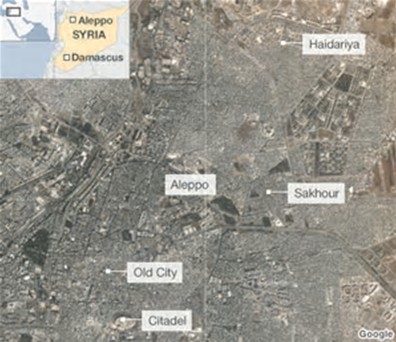
aleppo

Opening thoughts
Aid workers are amazingly diverse in many ways but share in common an understanding of aid and development issues that is deeper and more personal than any other work force.  They are the action mechanism that lies between sources of material support and those this support intends to impact.  In all manner of fora they talk amongst themselves and often these conversations can be instructive.

Now in Aleppo
The situation in Aleppo is getting more desperate by the hour, and over 275,000 residents are beginning to face a harsh winter with the last food supply deliveries from the UN made now nearly three weeks ago.  Starvation faces many, among these perhaps 100,000 children.  The international response to this crisis has been frustrating, and many are asking “what can I do?”  Sadly, here in the United States the response by far too many is, tragically, “what is an Aleppo?”

One web site took the situation as an opportunity to satirize slacktivists who delude themselves into believing they are being progressive or sociallyyou_doodle_2016-11-29t19_34_30z active when they respond on Twitter or Facebook with retweets, ‘likes’ or with various other emojis.  The headline says it all: “FIRST CONVOY OF FACEBOOK LIKES ARRIVES IN ALEPPO
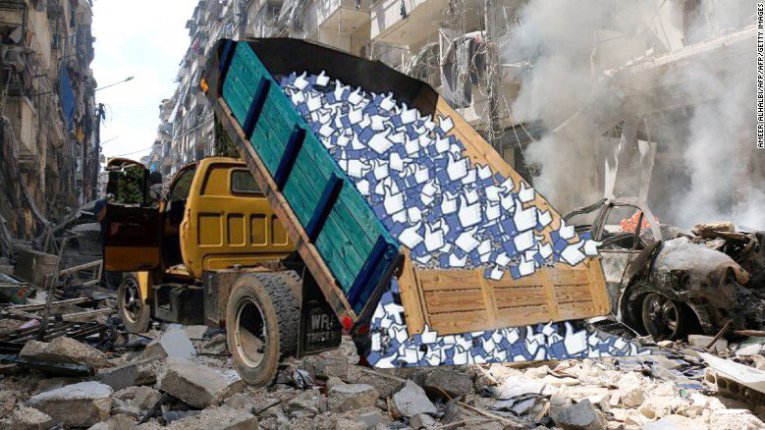
A snapshot detailing how sector insiders communicate
Very recently a humanitarian aid industry insider linked this article on Facebook commenting with his own sarcasm “Pretty much sums it up.”

His post generated many comments (and ‘reshares,” including on my own Facebook page), and as I read the many comments it struck me that these aid worker voices are a great snapshot of what happens all of the time, namely aid industry insiders thinking, talking and writing about global humanitarian crises -like the shit storm happening in Aleppo- in a thoughtful, detailed, passionate manner and that there are many people –namely aid workers- who continually give much more than slacktivist “Likes”.

In Aid Worker Voices -the book based on this blog analyzing the data from over 1000 survey responses and other interviews from aid workers globally- I argue that, collectively, the global community can be viewed as having a “collective consciousness” assuming sociologist Emile Durkheim and others are right.  Pushing this idea one step further and employing the notion of globalization –with its myriad and highly charged definitions– if humanity can be said to share a collective consciousness then the aid worker community is the conscience of that consciousness, the part that embodies both the knowledge and the judgement to speak as the moral voice for humanity.  From the thousands of narrative responses I read in the data I saw over and over again a deep sense of  the ‘big picture’ globally on many levels; they are collectively a sober, sane, and informed  voice.  Yes, there are other professions that think and act in globally informed ways, but aid workers stare into the abyss in the most direct and intimate way possible; they have an unparalleled perspective and mandate.

The threads from the Facebook post
There are two comment threads that were populated in the hours after the post went live, both with a great back and forth of fact, opinion and solid advice.  Those outside of the aid industry can learn a good deal, but veteran aid workers will find nothing novel.  The point I am making is that the “off the cuff” from these individuals is intensely thoughtful, based on broad knowledge and deep moral conviction that “shit storms” like Aleppo can and must be addressed.

Here are the posts, with names changed.

Dave Rodgers: Pretty much sums it up.

(article: First Convoy of FACEBOOK LIKES arrives in Aleppo)

First thread:  what can I do to help?

Sue: My phone has not been able to open the link yet, but what do you recommend people do to actually help? Other than donating, is there anything that can be done? Calls to Congress, or write letters to anyone? I wish there was something we could do.

Dave: ‪Calling Congress is a great idea. We also have to think about how to put pressure on the incoming administration. Nikki Haley and the next Sec State need to hear about this.

Sue:‪ Who do we call? Is there something specific we should be asking for? I’m willing to call, I’m just not sure where to start

Sue: ‪ Who as in our state senators or is there a specific committee?
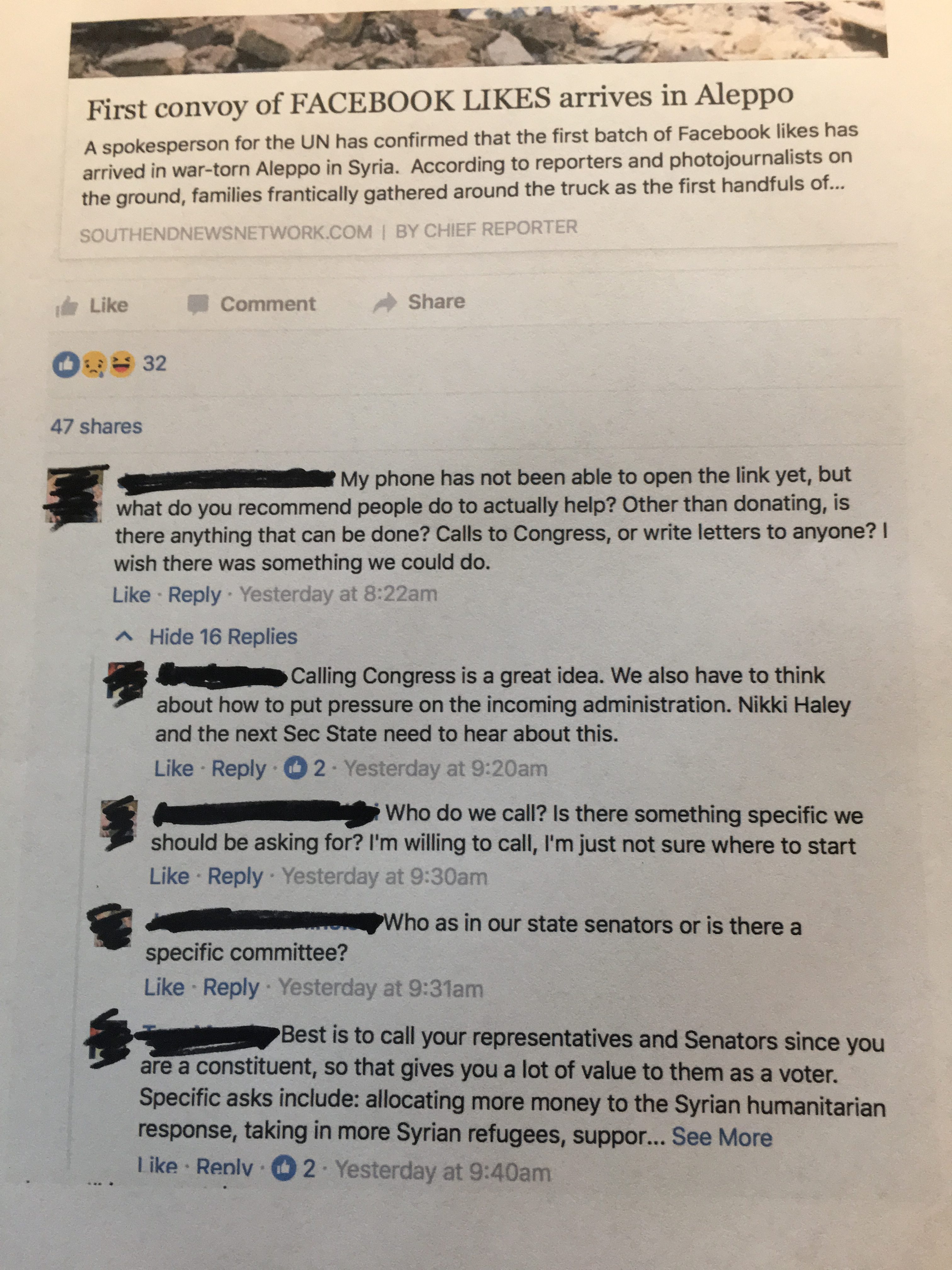
Dave: ‪ Best is to call your representatives and Senators since you are a constituent, so that gives you a lot of value to them as a voter. Specific asks include: allocating more money to the Syrian humanitarian response, taking in more Syrian refugees, supporting a quick diplomatic solution to stop fighting. Members of Congress can send an important signal by publicly calling for a humanitarian pause in Aleppo and denouncing Syria’s military support for the Assad regime.

Sue:‪ Thank you!! Will start making calls today.

Dave:‪ Trouble is that solutions are not easy, but there is a value to signaling at high political levels – especially as that can help at least broker short term deals to provide relief to people in some of the embattled cities.

Sue:‪ Oh I know, I wouldn’t even know where to begin . . .

Dave: ‪ Two more tangible things to bring up to members of Congress that are not Syria related: 1) arms embargo to South Sudan; 2) stop supporting the Saudi-coalition’s bombing of Yemen and to not sell Saudi Arabia arms.

Sue: Dave, thank you! I really do you need to be better about calling and demanding action. I will share this with like-minded friends that I know will be willing to call. Thank you

J:  1) Read stuff on a computer.

‪2) Engage as Dave says with local, state, and national political processes.

‪–Specifically asking for political pressure on Russia for it’s support to the Assad regime;

‪–US political positions which do not recognize the legitimacy of the Assad regime (it would be a sound loss to come out the other end of this with Assad still in control of Syria – that would amount to rewarding the perpetrators).

‪3) Support organizations (UN agencies, big box charities) which have Syria-specific programming in the region already.

Sue: J, thank you! I plan to make calls later today but until then I primarily directed my support and encourage others to donate to the international rescue committee’s projects in Syria. There might be better organizations but I used to intern with the IRC and they do amazing work

J: Sue, Cheers.

Sue:‪ Dave Rogers – not sure if this is something that you could do through Humanosphere or another platform, but it would be awesome to have a weekly call to action that could be shared on social media. Something easy to do like call your senator about the arms embargo to South Sudan and then a brief explanation why it’s important. I know I want to be better about taking action, but between work, kids, and my nonprofit I often don’t have the energy to do research on my own

Betty: Dave, On South Sudan, I don’t think convincing Congress is the issue – US was all set to table a draft resolution earlier this week but they don’t have the votes.

Dave: Betty, Yea, my thought behind the recommendation is to keep support for the embargo. Kind of similar to getting members of Congress to call out Russia on Syria, like Lake suggests.

Betty: We should get our Japanese friends to call their senators.


Second thread: petitions, airdrops, and R2P 

First, a note about ‘R2P’ for those less familiar with this acronym.  The official pillars of the Responsibility to Protect were adopted by the the United Nations in 2005. R2P is based on the premise that “Sovereignty no longer exclusively protects States from foreign interference; it is a charge of responsibility that holds States accountable for the welfare of their people.” Given this premise the  global community has a responsibility to prevent and halt genocide and mass atrocities.  Implementing R2P is never uncontroversial.

Hank: ‪ It really seems like a last chance saloon. MPs have started a petition here to start humanitarian air drops into Aleppo (https://petition.parliament.uk/petitions/173574)

Sue:‪ Darn. Only British citizens. I wonder if there is a similar one for the US? Thanks!

Hank: ‪ It’s received very few signatures. Not nearly enough to be debating in parliament

Sue: ‪I saw that. I wish I could sign!

J: air drops are almost always a bad idea. Great publicity, but usually work poorly.

Hank: Lake, in a normal circumstance I would normally agree, but there’s little else that can be done, surely?

J: Hank, Air drops are token gestures. I take as granted that there is *always* another option. Maybe not an attractive or palatable one, but another option or options, nevertheless. In this case, my mind goes to things like immediate and very strong pressure on Russia–incentivize Russia to make a humanitarian corridor a real reality.

Also, I’d think that if ever there was a time to invoke R2P, it would be now. Also costly, both literally and politically. But seriously, this is the kind of situation for which R2P was written in the first place.r2p
The international community is so apathetic that it has deluded itself into thinking that, really, the only/best option is throwing things out of planes.

Hank: ‪ Sure, I’m absolutely in agreement with you there. If anything the moment for R2P has already passed long ago, especially with Obama’s reticent foreign policy which has complicated the situation entirely – the fact that there are around 28 rebel groups in eastern Aleppo, and no coordinated US strategy in Syria really doesn’t help matters at all.

The US, the UK and France have missed their opportunity long ago to stop Assad and Putin bulldozing Aleppo. The most we can do is to ensure that we provide humanitarian access while we can – and since we do not have coalition access to Aleppo, and many roads, including Castello Road – which is the main artery into eastern Aleppo – is blocked, there is really no way in the current climate that we can or should meet Russian and regime aggression with aggression.

Any real hopes of meaningfully being able to engage through the UN Security Council have absolutely failed. The West’s strategy – where that was the failed attempt in the UK parliament to reach a consensus to bomb Assad’s positions in 2013, which resulted in the 2015 decision to bomb IS targets – has helped Russia and Assad to demolish Aleppo. Our strategy has been woefully coordinated, and it’s been too late to meaningfully opposed Russia in any coherent way sadly. Perhaps where Clinton would have made a better president and how, with Trump coming in, sanctions and penalties on Russia will be relaxed and the US will allow Putin to expand his sphere of influence..

‪There are some shifting dynamics in play here, and I believe that we weren’t strong enough in standing up to aggression when we should have been. Air drops of course are not anywhere near a perfect solution, but when civilians haven’t seen aid delivered in months, these are people truly at wits’ end

Hank: As for R2P. The only route to invoke R2P would be blocked through the UNSC. I think R2P can only be used when the duty to protect after invasion is explicit. I don’t think that, given how complex a conflict Syria is, that R2P would have been the right response, unless all sides could agree on terms. Bogged down with the UN system, Obama and Cameron were unable to make progress.

‪R2P has not always been successful either. Libya is a classic case, so too was the Iraq invasion. Elsewhere the French invasion of Mali to prevent Islamist extremists worked out because those contingency plans were in place, or NATO’s bombing of Bosnia and Herzegovina in 1995 and 1999. Blair’s intervention in Sierra Leone too. If you can ensure a cohesive political settlement once you’ve stablised a region or city, then it can work

J: Charlie, Yeah no, you’re right. R2P is complicated, and very hard to make work. I guess my real point was simply that there are always other options. So I basically don’t buy that “but air drops are the only option we have left” line coming from some quarters. Cheers, man.

Hank:‪ what other ways can aid be realistically delivered into Aleppo right now then? Other political solutions have been exhausted, especially the ceasefire being the largest example of an aid truck waiting for days in northern Syria to deliver aid into the city.

‪Given that politically we can’t reach a settlement to deliver aid – and of course I agree with you in saying that its the best solution – what other practical methods can you, or can you employ? I think as a solutions it’s borne out of frustration, sure, but I can’t see any other solutions.

‪Tied into the issue is that ideas to create no fly zones over Aleppo have also failed. Could we practically deliver aid through, say, targeted drones? I think it’s better to consider any option right now as a form of moral obligation from being so weak on the issue.

Two simple points
Just like your personal conscience, aid worker voices are worth listening to, and even their more informal chats are fonts of insight for those who wish to more deeply understand the world in which we live.  The snapshot presented here is just that; countless conversations like this happen every hour of every day on all manner of platforms, Facebook and beyond.

As always, contact me if you have questions, comment or feedback.  If you would like to contact J (above in the comment threads) you are invited to do so here:


Tom Arcaro

Tom Arcaro is a professor of sociology at Elon University. He has been researching and studying the humanitarian aid and development ecosystem for nearly two decades and in 2016 published 'Aid Worker Voices'. He recently published his second and third books related to the humanitarians sector with 'Confronting Toxic Othering' published in 2021 and 'Dispatches from the Margins of the Humanitarian Sector' in 2022. A revised second edition of 'Confronting Toxic Othering' is now available from Kendall Hunt Publishers

More Posts - Website

Follow Me:
Twitter